
Italy Red
Italian Red Wine
Italy makes more red wine, from more native grape varieties, than any other country — several hundred are in commercial use, and most of them grow nowhere else. That is why an Italian wine list reads as place names rather than grape names: the label tells you where it is from, and the region tells you what is in the bottle.
How to read this section
Three regions do most of the work. Piedmont in the north-west is Nebbiolo — Barolo and Barbaresco at the top, Barbera and Dolcetto underneath for everyday drinking. Tuscany is Sangiovese: Chianti, Chianti Classico, Brunello di Montalcino, plus the Bordeaux-blend Super Tuscans that ignore the appellation system entirely. Veneto is Valpolicella and its dried-grape wine, Amarone. Beyond those, Puglia and Sicily in the south give riper, softer, cheaper reds; Piedmont's neighbours and Friuli work at a smaller scale.
What to expect
The through-line in Italian red is acidity. These are wines built for food — the tannin and the acid that can feel severe on their own are exactly what cuts through fat and salt at the table. If you are moving across from New World reds, start with Chianti Classico or Barbera rather than with Barolo.
Serving
Most Italian reds at 16–18°C. Barolo, Barbaresco, Brunello and Amarone want decanting an hour or more ahead; everything else can be poured on opening.
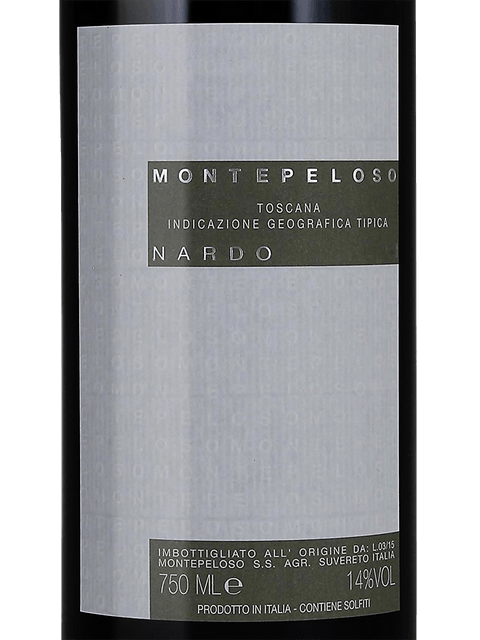
Montepeloso Suvereto Nardo IGT Costa Toscana 2016 (1x75cl)
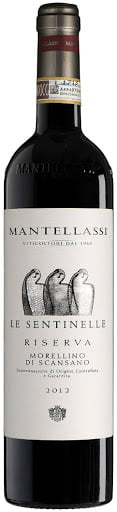
Mantellassi Le Sentinelle Riserva Morellino di Scansano DOC 2017 (1x75cl)
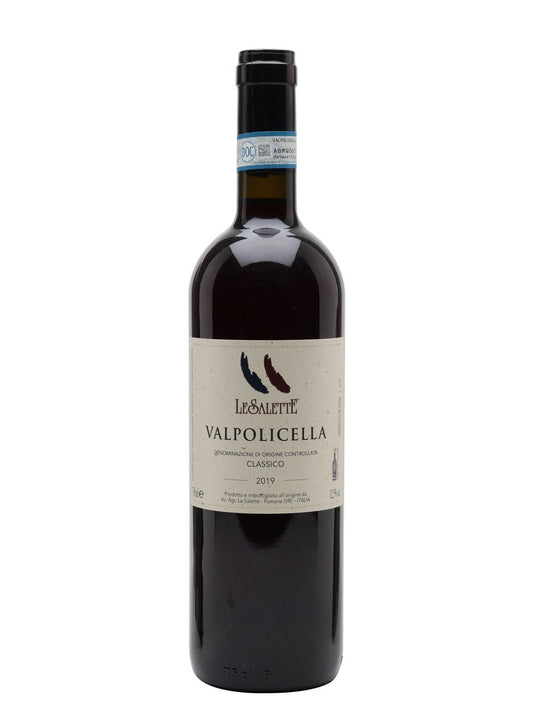
LE SALETTE, Valpolicella Classico 2020 (1x75cl)
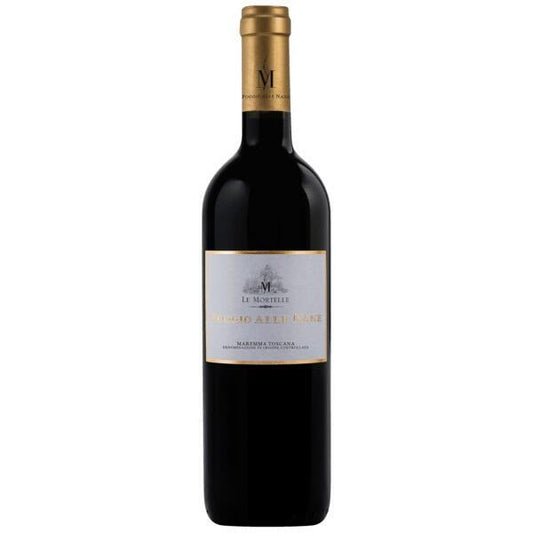
Le Mortelle Poggio Alle Nane 2017 (1x75cl)
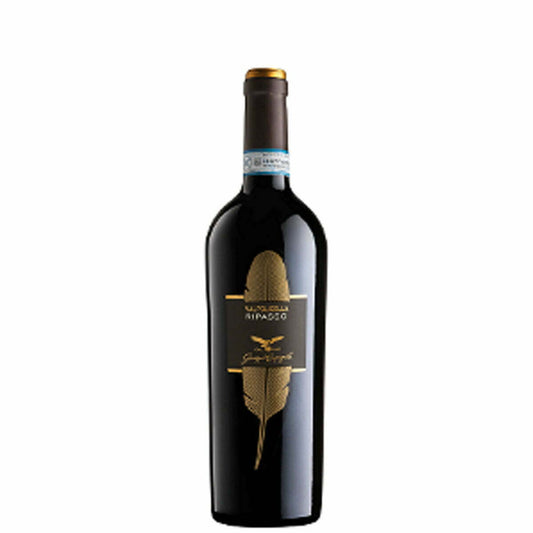
Giuseppe Campagnola Valpolicella Ripasso Classico Superiore DOC 2018 (1x75cl)

Cavallotto Barolo Riserva Vignolo 2011 (1x75cl)
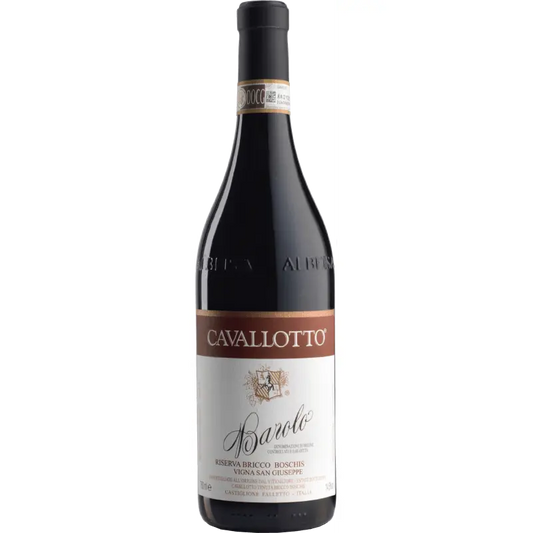
Cavallotto Barolo Riserva Bricco Boschis Vigna San Giuseppe 2012 (1x150cl)
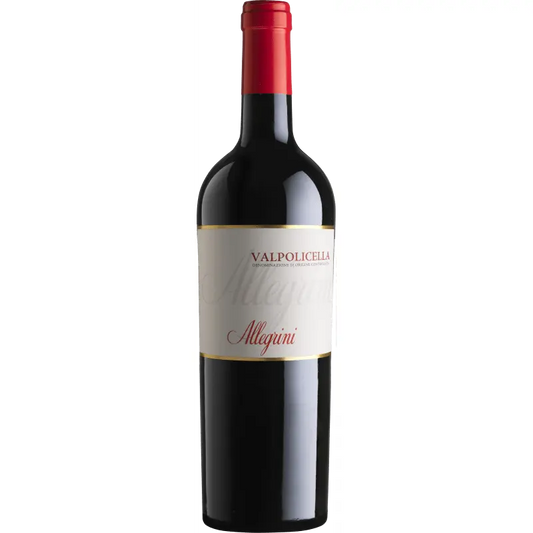
Allegrini Valpolicella 2019 (1x37.5cl)
- Featured
- Most relevant
- Best selling
- Alphabetically, A-Z
- Alphabetically, Z-A
- Price, low to high
- Price, high to low
- Date, old to new
- Date, new to old