
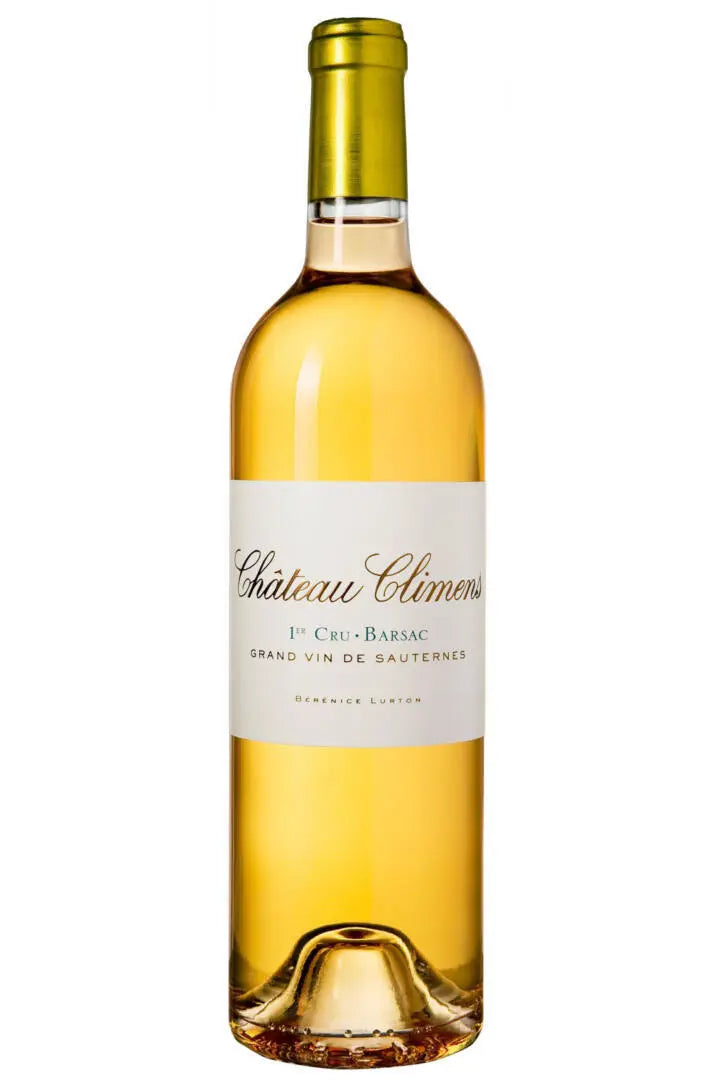
Chateau Climens, Barsac 2014 (1x75cl)
Chateau Climens, Barsac 2014 (1x75cl)
Château Climens, a Premier Cru Classé from the Barsac appellation, stands as a beacon of excellence within the broader Sauternes region. Renowned for its singular focus on Sémillon, the estate's terroir is defined by its unique limestone bedrock, overlaid with clay-limestone soils, which imparts a distinctive minerality and freshness to its sweet wines.
The 2014 vintage presented a challenging yet ultimately rewarding season for botrytis development. Meticulous vineyard management, coupled with the estate's commitment to biodynamic principles (certified since 2014), allowed for optimal noble rot proliferation. Grapes were hand-harvested in multiple, selective passes (tries), ensuring only the most perfectly botrytised berries were collected. Fermentation occurred in French oak barrels, followed by an extended maturation period, typically 18-24 months, in a combination of new and seasoned oak, contributing to the wine's structural integrity and aromatic complexity without overshadowing its inherent purity.
This vintage from Climens is a testament to the estate's ability to craft wines of profound elegance and longevity, showcasing the quintessential characteristics of Barsac: a harmonious balance between richness and a vibrant, refreshing acidity.
Tasting notes
The 2014 Château Climens reveals a luminous golden hue, hinting at its concentration. On the nose, an intricate bouquet unfolds with notes of candied apricot, honeyed citrus peel, and a delicate whisper of saffron and ginger, characteristic of noble rot. Underlying these are subtle floral nuances and a distinct minerality.
The palate is a masterclass in balance: rich and unctuous, yet simultaneously vibrant and precise, propelled by a crystalline acidity that cuts through the sweetness. Layers of marmalade, dried mango, and toasted almond emerge, culminating in an exceptionally long, refined finish that resonates with both fruit intensity and a saline freshness. This is a wine built for extended cellaring, promising even greater complexity with age.